


The way we design our homes is changing rapidly, and sustainability has become a major influence in every decision we make. From energy-efficient lighting to eco-conscious furniture, homeowners today want spaces that are not only beautiful but also responsible. One area that has seen a remarkable transformation is bedroom furniture, especially bed design. Sustainable sleep is no longer a niche concept; it is becoming a lifestyle choice for people who care about comfort, health, and the planet.
Eco-friendly bed designs are now redefining modern homes by combining style, durability, and environmental responsibility. Whether you prefer a simple bed design that blends seamlessly into your decor or a modern bed design that makes a statement, today’s sustainable options offer the perfect balance between aesthetics and ethics.
This shift is not just a passing trend. It reflects a deeper awareness of how everyday choices impact our environment. As consumers become more informed, they are actively seeking furniture that aligns with their values without compromising on quality or design.
Why Sustainable Bed Designs Are Gaining Popularity
The rising demand for eco-friendly furniture is driven by several factors, including environmental awareness, health concerns, and evolving lifestyle preferences.
First, people are becoming conscious of the carbon footprint associated with mass-produced furniture. Traditional bed frames often use non-renewable materials, harmful finishes, and manufacturing processes that generate waste. In contrast, sustainable bed designs focus on renewable resources, low-impact production methods, and long-lasting quality.
Second, health has become a priority in modern living. Many conventional beds contain chemical-based adhesives and finishes that release toxins over time. Eco-friendly alternatives use natural oils, water-based finishes, and non-toxic treatments, making them safer for long-term use.
Finally, design preferences have evolved. Homeowners now want furniture that looks modern, feels comfortable, and tells a story of responsibility. This is where sustainable beds truly shine, offering visual appeal while supporting a greener future.
What Makes a Bed Design Eco-Friendly
Understanding what defines an eco-friendly bed design helps buyers make informed decisions. Sustainability in furniture goes beyond just using wood. It involves the entire lifecycle of the product.
Eco-friendly beds typically feature responsibly sourced materials such as solid hardwood from certified forests, bamboo, or reclaimed timber. These materials reduce deforestation and make use of resources that would otherwise go to waste.
The manufacturing process also matters. Brands focusing on sustainability often rely on ethical labor practices, reduced energy consumption, and minimal packaging. Many now adopt flat-pack designs to lower transportation emissions.
Another important aspect is durability. A well-crafted bed that lasts for years reduces the need for frequent replacements, which ultimately decreases waste. This long-term value is one of the biggest advantages of sustainable bed designs.
The Evolution of Bed Design in Modern Homes
Bed designs have evolved significantly over the past decade. Earlier, functionality alone drove furniture choices. Today, design, sustainability, and lifestyle compatibility are equally important.
In modern homes, bedrooms are no longer just sleeping spaces. They are personal retreats where comfort meets style. As a result, homeowners are choosing bed designs that complement minimalist interiors, urban apartments, and spacious villas alike.
The demand for a simple bed design has grown among people who prefer clutter-free living. Clean lines, neutral tones, and natural textures fit perfectly into contemporary bedrooms. On the other hand, a modern bed design often incorporates innovative structures, integrated storage, and sleek finishes, making it ideal for compact living spaces.
Sustainable materials adapt beautifully to both styles, proving that eco-conscious furniture does not limit creativity. Instead, it enhances it.
Simple Bed Design and Sustainability: A Perfect Match
Minimalism and sustainability go hand in hand. A simple bed design focuses on essential structure, avoiding unnecessary ornamentation and excessive materials. This approach naturally aligns with eco-friendly principles.
Such designs often use solid wood frames with natural finishes, allowing the material’s texture and grain to stand out. This reduces the need for chemical coatings and artificial embellishments.
In addition to being environmentally responsible, simple bed designs offer timeless appeal. They do not follow short-lived trends, which means homeowners are less likely to replace them frequently. This long-term usability contributes significantly to reducing furniture waste.
Moreover, simplicity makes maintenance easier. Natural wood beds with clean designs require less intensive care and age gracefully over time, further extending their lifespan.
Modern Bed Design with an Eco-Conscious Approach
While minimalism suits many, others prefer bold and contemporary styles. A modern bed design brings innovation into the bedroom, and sustainability is now an integral part of this evolution.
Today’s modern eco-friendly beds feature modular structures, built-in storage, and smart engineering that maximizes space efficiency. These designs are particularly popular in urban homes where space optimization is essential.
Sustainable modern beds often incorporate engineered wood with low formaldehyde emissions, recycled metal components, and eco-certified upholstery. These materials maintain structural strength while minimizing environmental impact.
What makes modern sustainable beds even more appealing is their adaptability. Many are designed to be dismantled and reassembled easily, making relocation convenient and reducing the need for replacement when homeowners move.
The Role of Visual Inspiration in Choosing Bed Designs
In the digital age, visual inspiration plays a major role in buying decisions. Homeowners frequently search for a bed design photo before finalizing their purchase. Images help them visualize how a bed will look in their own space.
For eco-friendly beds, visuals are particularly powerful. Seeing natural textures, earthy tones, and thoughtfully designed frames helps buyers connect emotionally with sustainable furniture.
Brands that showcase authentic product images in real home settings build stronger trust with customers. These visuals highlight how eco-friendly beds seamlessly integrate into different interior styles, from modern apartments to rustic-themed bedrooms.
A well-curated bed design photo gallery not only inspires buyers but also educates them about sustainable choices. It shows that eco-conscious furniture is stylish, not boring or outdated.
Latest Bed Design Trends Shaping Sustainable Homes
Sustainability has become a defining element of the latest bed design trends. Designers are now blending eco-conscious thinking with contemporary aesthetics to create beds that meet modern expectations.
One prominent trend is the use of reclaimed wood. Each piece carries a unique history and character, making every bed frame one of a kind. This not only reduces waste but also adds emotional value to the furniture.
Another growing trend is the integration of natural fabrics such as organic cotton and linen in headboards and upholstery. These materials are breathable, durable, and free from harmful chemicals.
Low-profile bed frames are also gaining popularity. They align well with minimalist interiors and require fewer materials, contributing to sustainability goals.
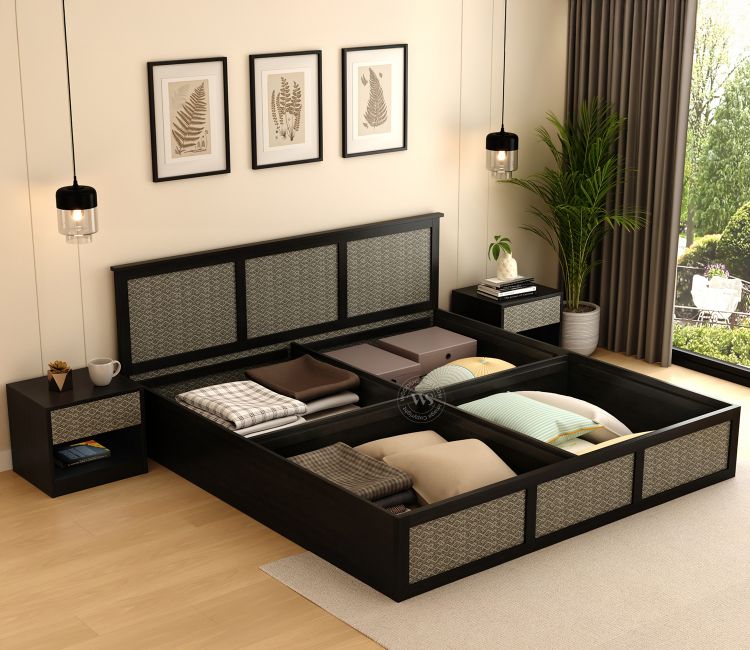
Additionally, multifunctional beds with storage drawers and modular components are becoming a staple in modern homes. These designs reduce the need for additional furniture, saving both space and resources.
The latest bed design philosophy is clear: furniture should serve multiple purposes, last longer, and leave a lighter footprint on the planet.
How Eco-Friendly Bed Designs Enhance Sleep Quality
Sustainable beds do more than protect the environment. They also improve the quality of sleep.
Natural materials such as solid wood and organic fabrics create a healthier sleeping environment. They reduce exposure to volatile compounds often found in synthetic furniture.
Well-ventilated bed frames made from natural materials regulate airflow better, helping maintain a comfortable temperature throughout the night. This contributes to deeper and more restful sleep.
Psychologically, sleeping on eco-friendly furniture brings peace of mind. Knowing that your bed is ethically made and environmentally responsible adds a sense of satisfaction that positively affects overall well-being.
Choosing the Right Sustainable Bed for Your Home
Selecting the right eco-friendly bed involves balancing design, functionality, and environmental values.
Start by evaluating your space and lifestyle. If you prefer a calm and uncluttered bedroom, a simple bed design made from solid wood might be the perfect choice. If you live in a compact apartment, a modern bed design with storage can offer both style and practicality.
Pay attention to the materials used. Look for certifications, natural finishes, and brands that openly share their sustainability practices. Durability should be a top priority, as a long-lasting bed is always the greener option.
Visual references such as a bed design photo gallery can help you narrow down styles that suit your interior. Finally, consider how the bed fits into your long-term plans. A timeless design ensures that your investment remains relevant for years to come.
The Future of Sustainable Sleep
The rise of eco-friendly bed designs marks the beginning of a larger movement in home interiors. Sustainability is no longer an add-on; it is becoming a standard expectation.
As technology advances, we can expect even more innovation in sustainable furniture. From smart manufacturing techniques to biodegradable materials, the future of bed design looks both exciting and responsible.
Consumers will continue to drive this change by choosing products that reflect their values. With increasing awareness, sustainable sleep will soon become the norm rather than the exception.
By embracing eco-friendly bed designs today, homeowners contribute to a healthier planet while creating bedrooms that are stylish, comfortable, and future-ready.